Renting vs. Buying an Airless Sprayer: Which Makes Sense for You?
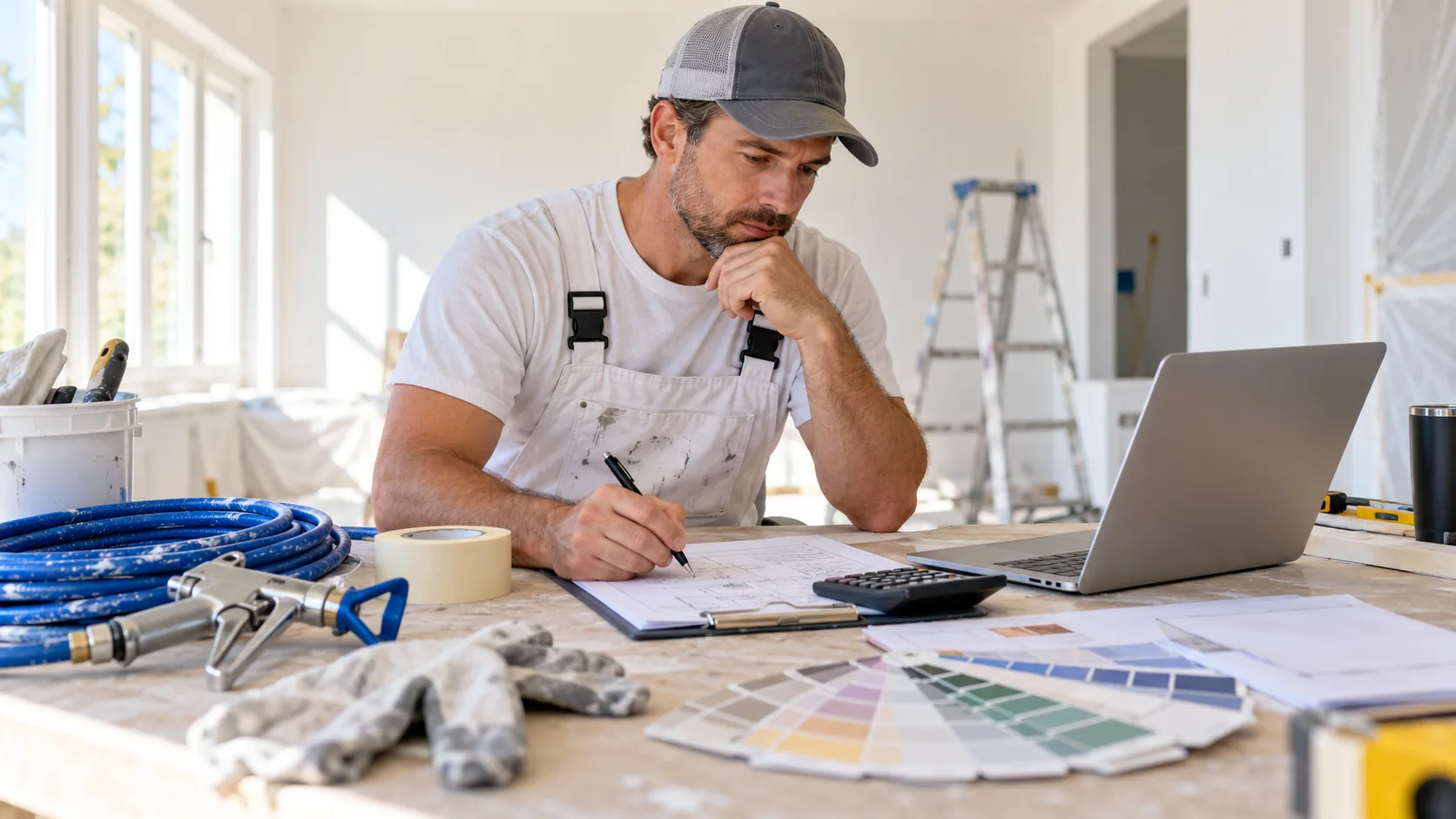
For a single weekend project, renting an airless sprayer is cheap and sensible. For a business that sprays most weeks, buying almost always wins. The useful question is not "what does the machine cost?" but "what does each day of spraying cost me?" — and that depends entirely on how often you use it.
The real question: cost per use, not sticker price
A rental looks cheap because you see one day's fee. Ownership looks expensive because you see the whole price at once. To compare them fairly, spread the purchase price over the machine's working life and add running costs, then compare that against the full cost of renting for the same number of days — including the parts of a rental that never appear on the headline rate.
When renting makes sense
- One-off or rare projects — a single façade, a one-time renovation, a few days a year.
- Trying airless before committing — you want to feel the workflow before buying.
- A short-term capacity peak — you own a machine but need a second unit for one large job.
- An unusual material or size you will not spray again, where a specialised rental unit fits better than your own.
When buying makes sense
- You spray most weeks — painting, plastering or filling is part of your regular work.
- You value readiness — your own machine is set up the way you like it and available the moment a job starts, with no booking or collection.
- You want consistent results — the same machine, the same tips and the same settings job after job.
- You run crews — downtime waiting for a rental, or sharing one unit across sites, costs more than the machine.
The hidden costs of renting
The daily rate is only part of the picture. Collection and return eat working time. Many rentals are billed per day including weekends, so a job that slips from Friday to Monday is charged for the gap. You usually pay a deposit and are liable for wear, damage or a machine returned not perfectly clean. And a rental you do not know can arrive with a worn tip or tired packings that quietly cost you paint and finish quality on the job.
What to look at when you buy
Match the machine to the heaviest material you spray regularly, not the lightest. The figures that matter are the maximum pressure (professional airless units run to around 227 bar), the flow rate in litres per minute — which must keep up with your tip size — and the motor power that holds that pressure under load.
- Pressure and flow rate sized to your materials and tips, with headroom rather than running at the limit.
- Build quality and serviceability — a piston pump and parts you can replace keep the machine earning for years.
- A proper warranty and spare-parts availability, so a wear item never means a long stop.
- Delivery terms you can plan around — GROG machines ship across the EU with a 24-month warranty.
Matching the machine to your workload
For paint, primer and lighter wall work, a compact electric sprayer is enough. For plaster, filler and daily professional use, step up the flow rate: the GROG F4L (6 L/min) and the higher-output GROG F5 (10 L/min) are built as plastering and filler machines, while the GROG GR-750 (9.2 L/min) suits high-throughput painting of large areas. Browse the full line-up in the electric airless range.
A simple break-even rule of thumb
Add up what you would pay to rent for the days you expect to spray in a year, including collection time and weekend billing. Compare that with the purchase price spread over the years you will realistically keep the machine, plus tips, filters and cleaning. If your annual rental cost approaches a sizeable share of the purchase price, buying usually pays back within the first or second season — and everything after that is saved. To put real numbers on your own jobs, our guide to airless painting cost per m² breaks down the running costs, and how to choose an airless paint sprayer helps match a model to your work.
Frequently asked questions
Is it cheaper to rent or buy an airless sprayer?
For a few days a year, renting is cheaper. For regular use — most weeks — buying is almost always cheaper per day once you include collection time, weekend billing and deposits. The crossover comes surprisingly quickly for working professionals.
How long does a professional airless sprayer last?
A well-maintained piston-pump machine lasts many years of regular use. Longevity comes from cleaning it properly after every job, replacing wear parts (packings, filters, tips) on schedule and conserving the pump during longer breaks.
What size machine should I buy?
Size it to the heaviest material you spray regularly. Thin paint and primer need less flow; plaster, filler and large-area work need more litres per minute and a stronger motor to hold pressure with a big tip.
Conclusion
Rent for the occasional job; buy once spraying becomes a regular part of your work. The decision is not about the price tag but about cost per day over the machine's life — and for professionals who spray most weeks, owning the right machine pays for itself and then keeps paying.