Airless Spraying in Cold Weather: Working Through the Winter Season
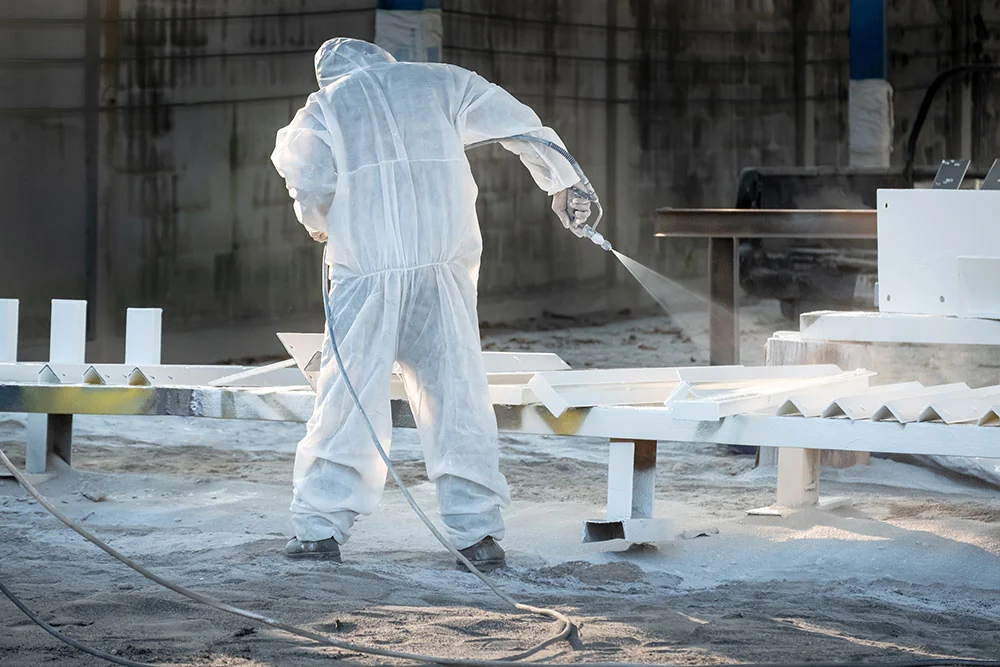
When the season turns, airless spraying gets less forgiving. Cold, stiff paint atomises poorly and strains the pump; waterborne coatings are ruined if they freeze; and everything dries more slowly, which stretches the window in which fresh paint is vulnerable. None of that means you have to stop — interior work carries most trades through winter — but it does mean respecting a few limits. This guide covers spraying in the cold season and protecting both the finish and the machine.
Mind the minimum temperature
The single most important number is the one on the product's data sheet, not a rule of thumb. As a general guide, many coatings state a minimum of around +5 °C for both air and substrate during application and drying, and waterborne (latex/acrylic) paints often want +10 °C or more. Some solvent-borne products tolerate lower temperatures. Always work to the figure the manufacturer prints, and remember it applies to the surface as well as the air — a wall can be colder than the room.
Never let waterborne material freeze
Water-based paint, filler and primer have a hard limit: if the water in them freezes, the binder is destroyed and the material is scrap — it will not recover when it thaws. So:
- Don't store waterborne paint in an unheated van or site hut overnight in frost.
- Bring material up to a workable temperature before spraying; cold paint is thick, sprays badly and can be mistaken for a machine fault.
- Keep pails off cold concrete floors and covered.
A machine left with water in it on a freezing site is at the same risk — see below.
Cold paint sprays badly — temper it first
Viscosity rises as paint gets colder, so straight from a cold store it is thicker than the machine and tip expect. That shows up as a poor fan, tails and extra strain on the pump, which is easy to misread as a worn tip or a pressure problem. Temper the material to a normal working temperature first, follow the data sheet before thinning, and only then judge the pattern. A machine with ample pressure and flow — such as a professional electric airless machine at 227 bar — gives you headroom when material runs a little heavier in the cold.
Drying slows right down — plan the window
Lower temperature and the higher humidity that often comes with it both slow drying and curing. Recoat times on the data sheet assume standard conditions; in the cold they stretch, sometimes a lot. Check the forecast for the whole drying window, not just the hour you are spraying, and don't trap a coat that has not properly cured by closing up a cold, damp room. Where you control the space, gentle, even warmth and ventilation help; avoid aiming direct heat at a fresh film.
Protect the machine on a cold site
The sprayer needs the same care as the paint:
- Never let the pump freeze with water in it. Frozen water expands and can crack pump parts. If the machine will sit in the cold, flush it and protect it with a pump storage fluid as you would for off-season storage — our guide to storing and conserving an airless sprayer covers the exact routine.
- Keep the machine, hose and gun above freezing before you start; cold seals and stiff material make priming harder.
- After the job, clean thoroughly — cold, part-cured residue is harder to shift later. Our maintenance checklist keeps the routine short.
Lean on interior work
Winter is the interior season. New-build and renovation move indoors, so filling, priming and painting ceilings and walls keep the machine earning while exterior work waits for warmer, drier weather. On new plaster or board, prime for even absorption before the topcoat — see our primer spraying guide.
Common mistakes
- Trusting the air temperature only — the substrate can be colder; measure it.
- Spraying material straight from a cold store — temper it first or blame the machine for nothing.
- Leaving water in the pump on a frosty site — a cracked pump is an expensive lesson.
- Ignoring the drying window — cold, damp conditions trap uncured coats.
- Using paint that has been frozen — it is scrap; don't try to rescue it.
FAQ
What is the lowest temperature I can spray at?
There is no universal number — use the product data sheet. Many coatings state about +5 °C minimum, waterborne types often +10 °C. The limit applies to the surface and the drying period, not just the air.
Can frozen paint be used once it thaws?
No. If a waterborne paint has frozen, the binder is damaged and the material should be discarded.
Will the cold damage my machine?
Only if you let water freeze inside it. Keep it above freezing in use and flush and protect the pump whenever it will stand in the cold.
Conclusion
Cold weather narrows the margins rather than closing the door. Work to the data-sheet temperatures for air and surface, never let waterborne material or the pump freeze, temper cold paint before you judge the pattern, and allow for slower drying. Keep the machine clean and protected, lean on interior jobs through the coldest months, and you can spray safely all winter. Browse the electric airless range for a machine with the pressure and flow to handle heavier, colder material.